The short answer
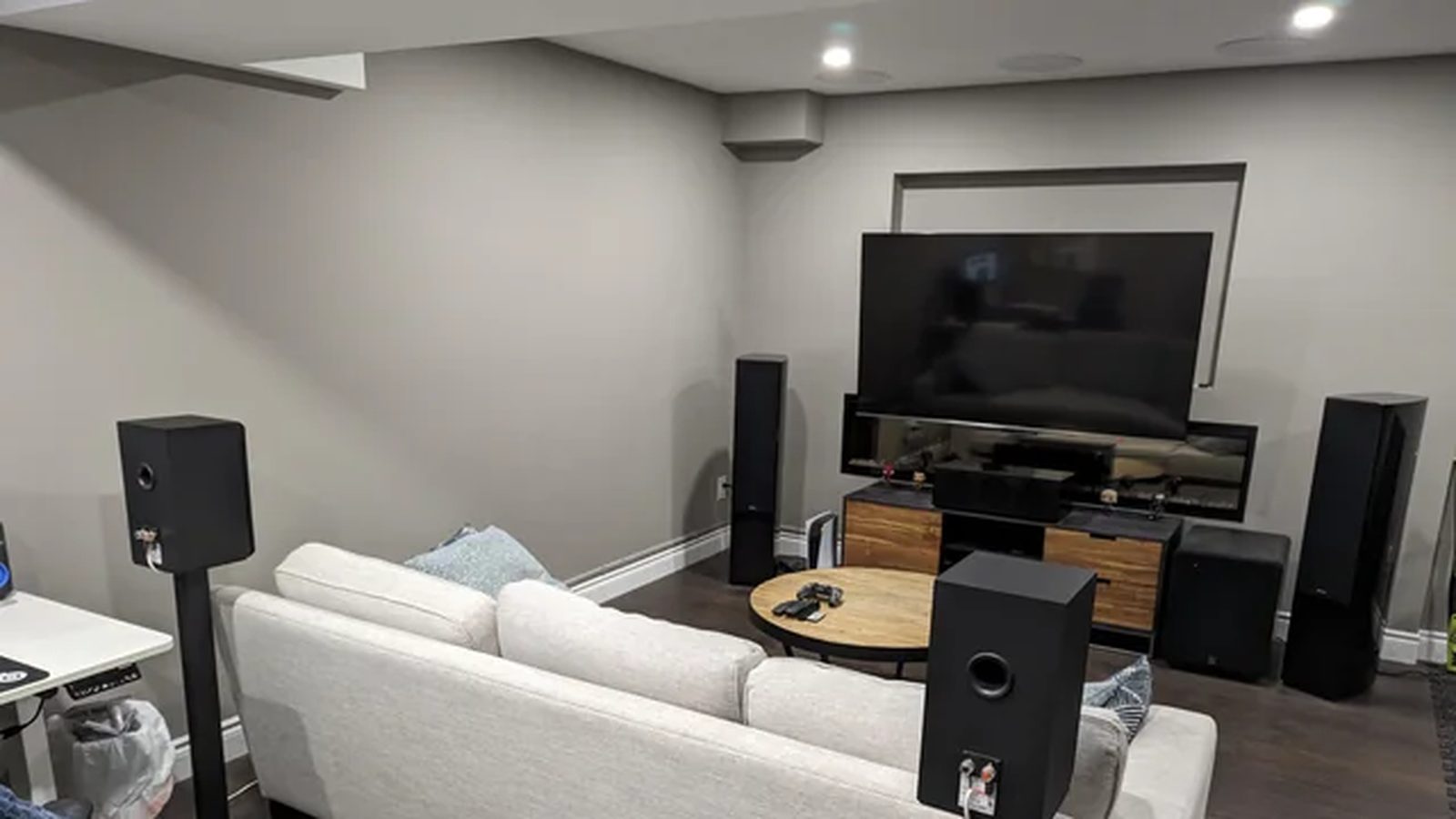
An amplifier does one thing: it takes a low-level audio signal and makes it strong enough to drive speakers. An AV receiver is an amplifier plus a lot more: it switches your HDMI sources, decodes surround formats like Dolby Atmos and DTS, tunes the speakers to the room, and sends video to the TV or projector. If you're building a home theater with surround sound, you almost always want a receiver. If you're powering speakers for music, whether in-ceiling speakers in a kitchen, patio speakers or background music in a business, an amplifier is often the better fit.
What an AV receiver does
- Amplification for five, seven or more speaker channels.
- Surround decoding for Dolby Digital, Dolby Atmos, DTS and DTS:X.
- HDMI switching so your cable box, Apple TV, game console and Blu-ray player all plug into one place, with one cable going to the TV or projector.
- HDMI eARC to get full-quality audio from the TV's built-in apps.
- Room correction (Audyssey, Dirac, YPAO and others), which uses a microphone to measure your room and adjust each speaker's level, distance and tone.
- Streaming and multi-room features on many models, such as Bluetooth, AirPlay and HEOS or similar apps.
Types of amplifiers
Power amplifier
Amplification only, with no inputs to switch and no processing. It's used to add more power to a receiver's main speakers through its pre-outs, or in high-end systems with a separate processor.
Integrated amplifier
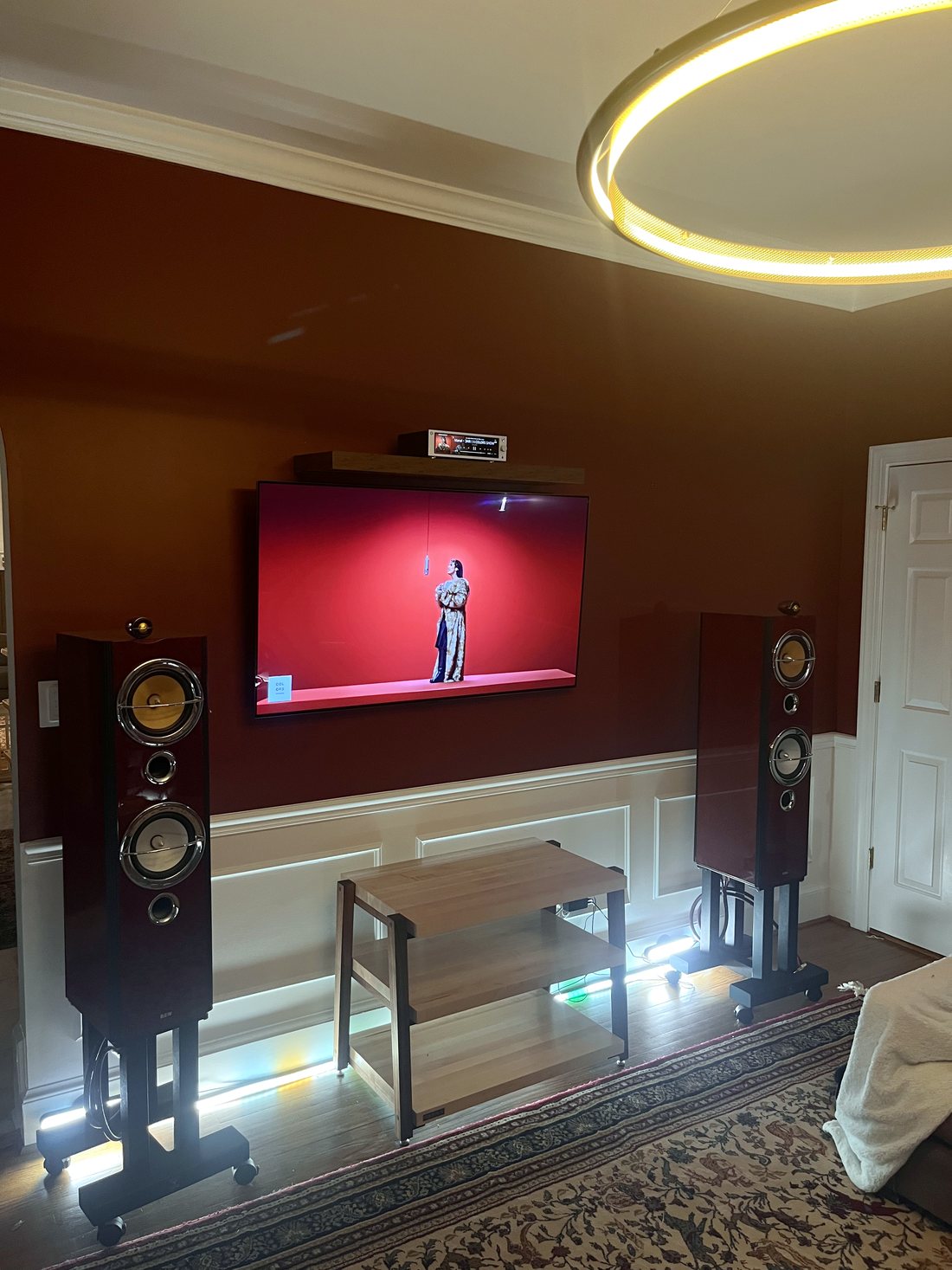
A stereo amp with volume control and a few inputs, built for two-channel music listening.
Streaming amplifier
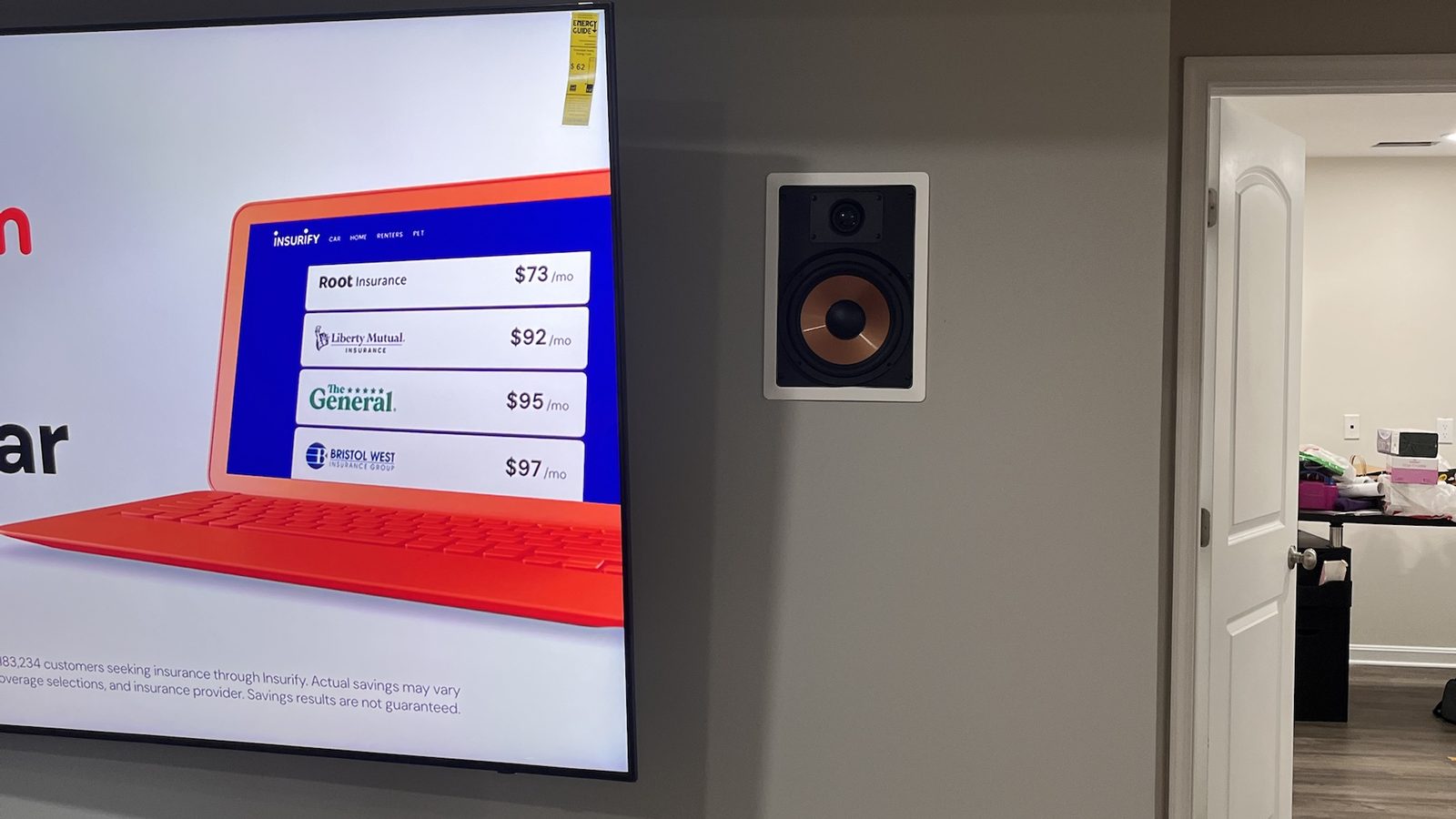
A compact amp with streaming built in, like a Sonos Amp. It's ideal for a pair of in-ceiling speakers in a kitchen, living room or patio, controlled from your phone.
Multi-zone amplifier
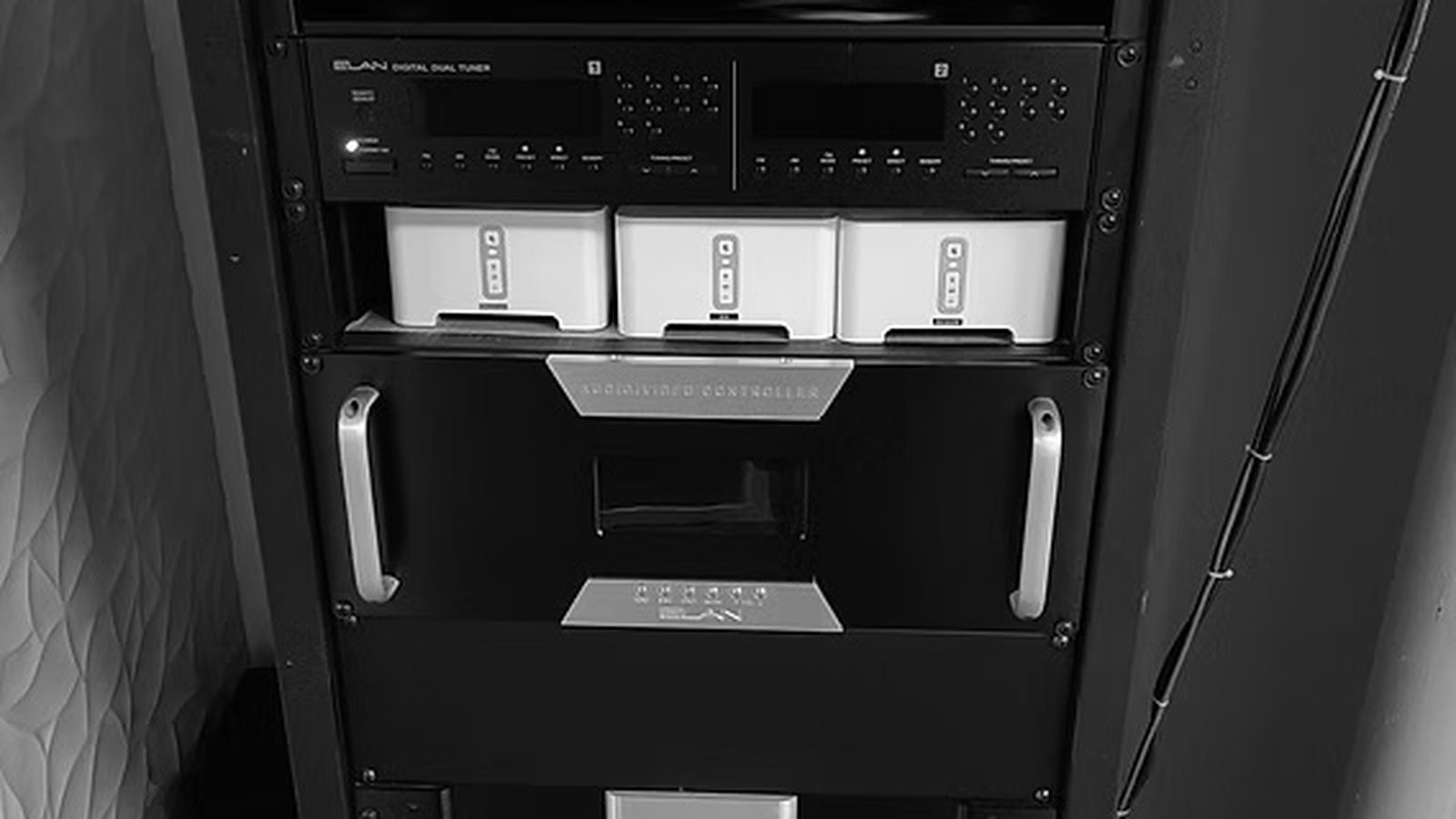
One box powering several rooms of speakers independently. This is the backbone of many whole-home audio systems.
Commercial 70V amplifier
Built for restaurants, spas, offices and retail. A 70-volt system can run many ceiling speakers on long wire runs from a single amp, with each speaker's volume set by a tap. That's how background music is done properly in a business.
Which one do you need?
- Home theater or media room with surround sound: an AV receiver.
- A pair of ceiling speakers in one room: a streaming amp.
- Music in several rooms with separate volume: a multi-zone amp or several streaming amps (see our whole-home audio guide).
- More punch for big front speakers in a theater: a receiver plus an external power amplifier.
- A restaurant, spa, gym or office: a commercial 70V amplifier.
A few things to check before you buy
Speaker impedance. Most home speakers are 6 or 8 ohms. Some amps aren't rated for 4-ohm speakers, so match them. Channel count. Count the speakers you have now and the ones you might add, like Atmos height speakers. Ventilation. Receivers run warm. Inside a closed cabinet they need airflow, or they'll shut down mid-movie.
Need help choosing?
We install receivers, amps and speaker systems in homes and businesses across Loudoun County and Northern Virginia, and we can spec the right gear for your budget or install what you've already bought. See our home theater installation and speaker installation services.